
Caregiver Mental Health: Why It's a Struggle and How Heart Can Help
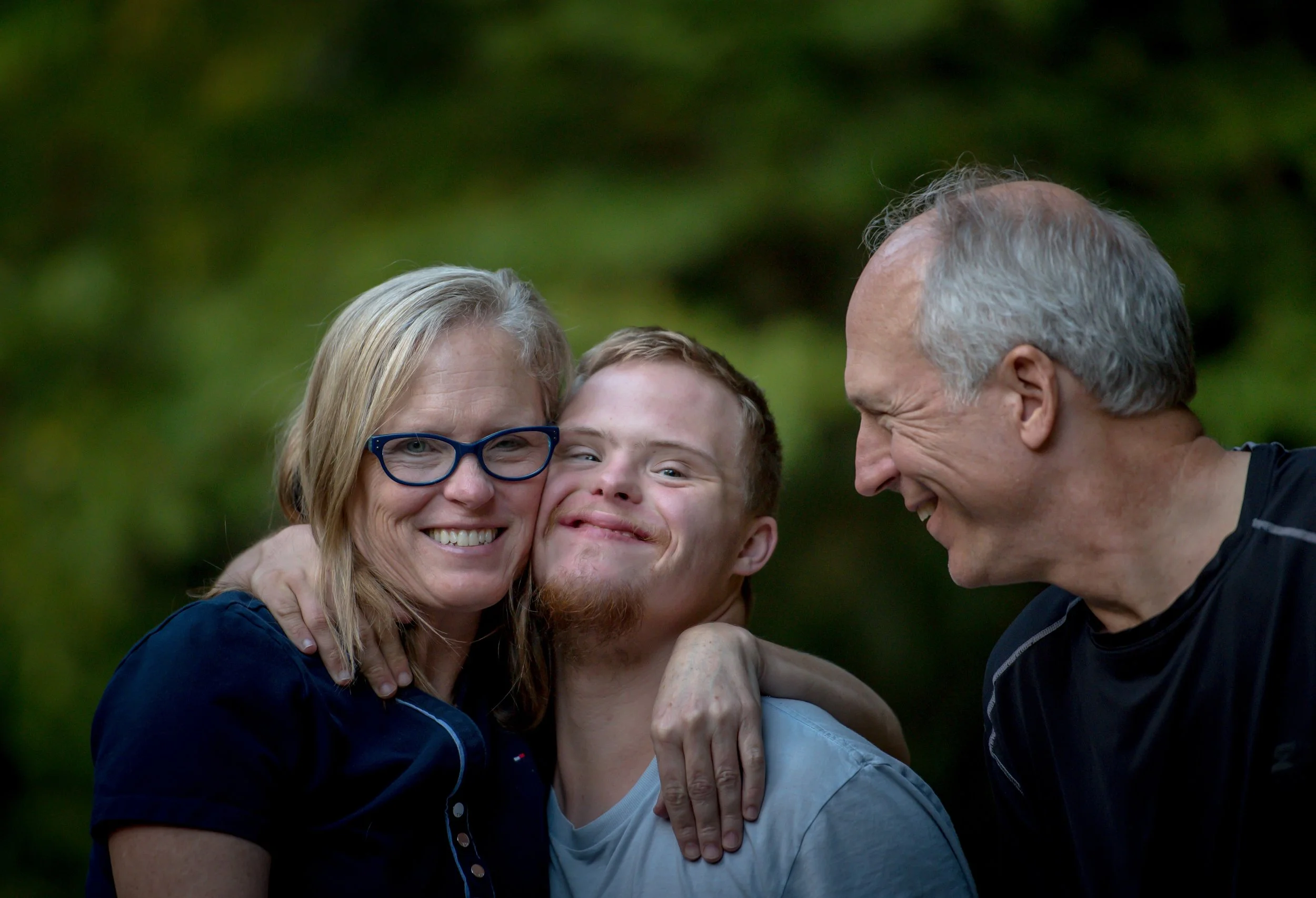
The IEP meetings. The doctor appointments. The paperwork. Constantly having to fight and advocate to get the services and supports you need to care for someone. Caregivers are incredible human beings, with so much compassion and empathy. But they are, in fact, human beings. With their own needs, their own emotions, and they carry a heavy load.
You may have heard of the term “compassion fatigue” to describe what is happening to caregivers. But let’s be real, caregivers are not running out of compassion. It’s what drives them. The problem is they are absorbing so many emotions from so many other people, while trying to juggle all of the tracking, monitoring, and coordinating, have little time to take care of their own needs, and on top of that get paid little to nothing for the work. Caregivers are often struggling with empathy fatigue, an emotional depletion after absorbing so many emotions for so long. Symptoms may include loss of interest in what was once enjoyable, withdrawal, isolation, fatigue, irritability, guilt and shame, wanting to quit, difficulty with focus or making decisions, and questioning whether you are truly helping or not. The mind does this in an effort to protect caregivers from overwhelm, but if it’s making it harder to be the person you want to be then this becomes a major problem.
So what happens when caregivers don’t get the support they need? Let’s look at some data:
“Only over a third (36%) of caregivers report “very good” mental health, and 27% say that their caregiving responsibilities cause them a great deal of stress.” From Guardian
“Caregivers are at increased risk for having multiple chronic diseases as they may neglect their own personal health needs while providing care to others.” From the CDC
“Any caring intensity higher than 5 hours per week is associated with more depressive symptoms for both coresident and extraresident caregivers.” From The Journals of Gerontology
Caregiving can be an incredibly rewarding experience. It can create bonds between a caregiver and receiver, and giving compassion to others is often a very positive experience. But we all have our limits and we all need support at times.
So how can Heart help? We are now offering therapy services to caregivers in addition to neurodivergent folx. We want to provide space for caregivers to talk about the struggles, without judgment and without someone trying to jump in to “fix” the problem. We work with caregivers on building more self-compassion, undoing feelings of guilt and shame, identifying coping skills that are either working or not working, and creating realistic and meaningful goals for each person.
Isolation and “going it alone” doesn’t work. Connection is the key to getting through difficult emotions. If you are interested, please reach out for more information and to see if Ellen would be a good fit.
ellenm@heartconsultingllc.com
(608)513-2139