
Know Your Rights: Consent, IQ, and Guardianship
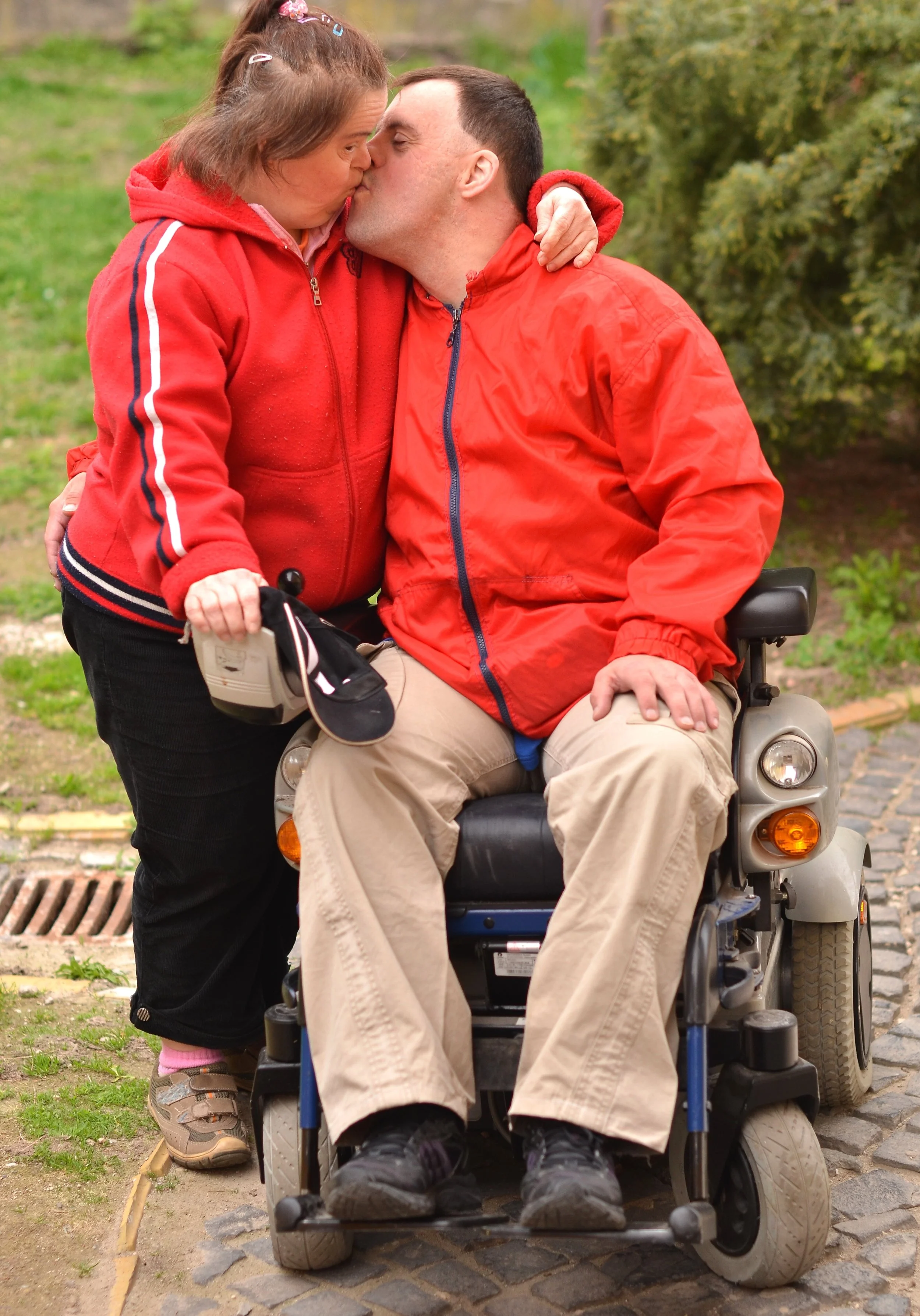
I can’t count the number of times I’ve worked with teams where well-meaning staff and guardians were creating barriers to exploring relationships and sexuality that were in violation of a person’s rights.
The client who wasn’t allowed to have consensual sex at their AFH because it made their staff uncomfortable, so they started having sex in cars and public places.
The client who was allowed to watch porn, but not in the living room, which was the only place with a TV (and who was not allowed doors on his bedroom).
The client whose staff were not allowed to assist in buying condoms.
In all of these situations, the drive to keep someone safe was actually significantly decreasing their safety. It led to sneaking around, keeping secrets, or having intense emotions in response to feeling controlled.
Let me be clear: I get the intention. Staff and guardians have a duty to keep people with disabilities safe. But there are lines that shouldn’t be crossed. Neurodivergent folx have the right to explore relationships, and that includes sexuality, in safe and meaningful ways to them. So here are some things to remember:
The ability to consent is not dependent on IQ alone
I’ve gotten referrals asking for help because a teen or an adult is showing interest in sex, but “their reading comprehension is at a 5th grade level so they shouldn’t have sex”
Reading comprehension has ZERO impact on hormones. Kids, teens, and adults still need education to know how to navigate relationships safely. Even if they aren’t currently interested in sexual touch, teachers, parents, and other caregivers have a duty to teach about healthy relationships and sexuality because we know this increases safety. Understanding our bodies, how they work, what we need, and what is and is not safe is paramount to decreasing risk of exploitation.
Guardianship does not determine a person’s ability to consent
Many guardians, and the support teams, will assume that a guardian automatically has the right to determine that someone is not allowed to have sex, but this is not something that is included in guardianship papers. Determining whether or not someone can legally consent must go through the courts with evidence and documentation of reasons a person cannot legally consent.
I’ve been in a meeting for a client who had reported sexual assault by their transportation provider. It was suggested, again by someone well-meaning, that the team initiate the process to determine they were not able to consent, thus making the prosecution easier.
Here’s the problem…
They were able to consent. In moments of fear or feeling pressured, they tended to freeze up (normal response to traumatic situation). But in moments of healthy connection with a partner who was respectful, they would absolutely be able to consent. Taking away someone’s rights should never be the default.
So, how do we know when someone with a developmental disability is able to consent?
They have the capacity to understand the risks of sexual touch (i.e. pregnancy, STI’s)
They have the capacity to understand they have the right to say no
They have the capacity to understand social etiquette around sexual touch (i.e. it’s not okay to have sex in public, informed consent, or show private parts in public, etc)
Note: these all require CAPACITY, not the current ability. Just because someone has not been given the education and resources to be able to navigate sexual relationships safely, doesn’t mean they are not capable of doing so. There is no universally accepted evaluation of a person’s legal ability to consent, and each state has slightly different laws regarding IDD and consent. It depends on various assessments by mental health professionals, witness testimonies, and judgment on an individual case by case basis.
Teams must balance the concern for protection vs the rights of each individual to explore their own sexuality, make their own decisions, and learn through experience. Being proactive by providing sex education that focuses not only on anatomy but also understanding consent, rights, healthy relationships, and assertiveness skills is what will truly lead to reducing risk of sexual exploitation.
If you are a neurodivergent individual wanting to understand more about your rights, it’s important to note that these laws regarding IDD and consent vary slightly from one state to another. This Stanford Law School resource includes a chart showing the requirements each state takes into account when determining whether or not a person is able to consent to sexual touch. You can also reach out to your state’s Disability Rights organization